Court Notes Padel
What is worth noticing after your first five padel matches?
Five small things to remember beyond the score: a wall rebound, a shared decision and one question to bring to your next game.
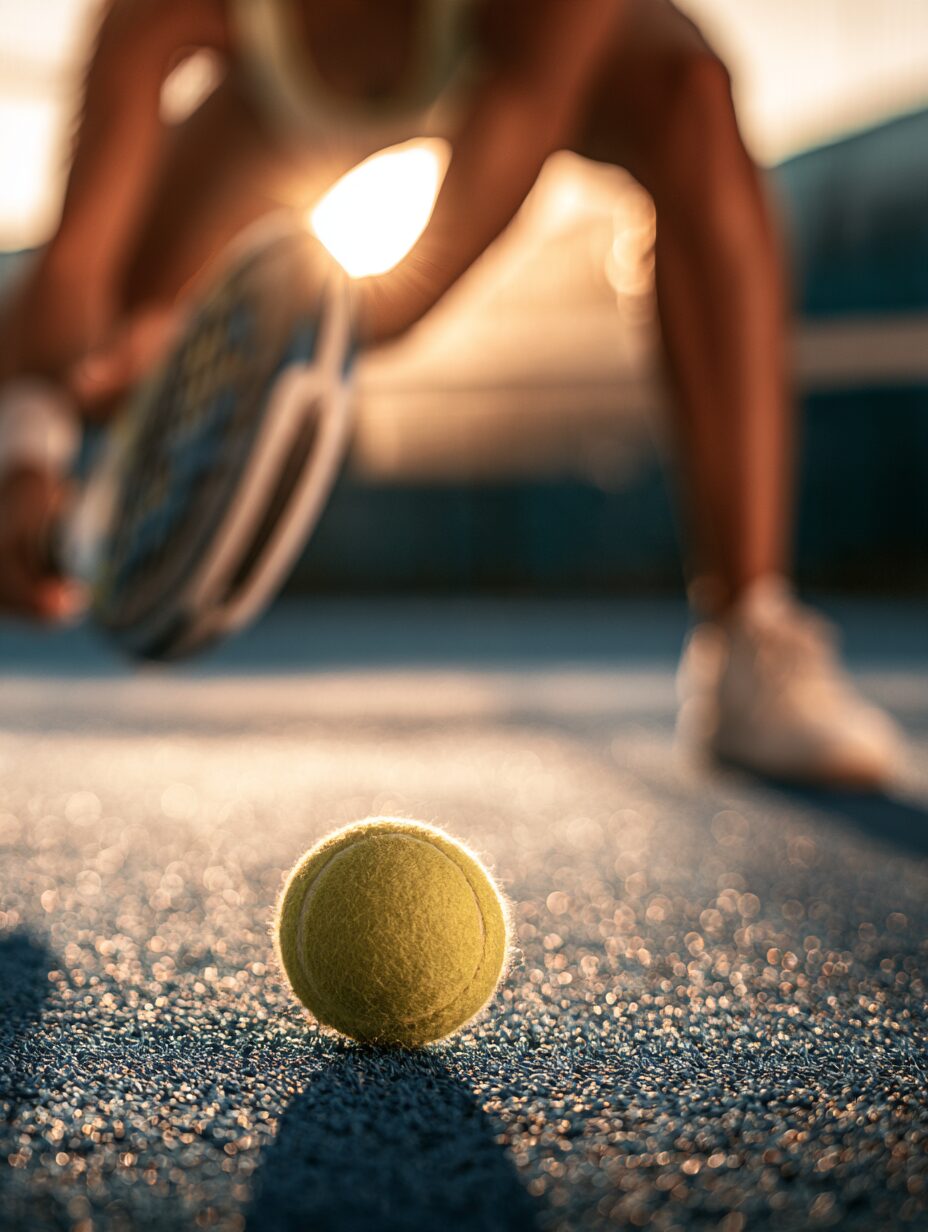
After a few padel matches, the score is rarely the only thing you remember. Perhaps you finally waited for a back-wall rebound, or you and your partner called the same ball at once. After five matches, try writing down one moment from each. You need no Watch, coach or new scoring system for this; five is a convenient pause, not a test of progress.
The score is the shortest line on the page
A score tells you who won the match. It cannot tell you which returns came off the back wall, when you left a ball for your partner, or why a point ended. The FIP Rules of Padel establish how points, games and sets are scored; the details of your own exchanges need a different kind of record.
If you are still finding your feet on serve, the guide to why padel can be fun from your first session walks through the first ball. If glass is the part you keep getting wrong, how walls change a rally explains the floor-before-glass rule and follows an illustrative point.
Five small things worth noticing
After a match, jot down answers to five ordinary questions. They are not a coaching form and they have no scoring system behind them. They are a way to remember what actually happened on the court that day.
- An exchange you remember. What made you stay in it—or what caught you by surprise? You do not need to count every shot.
- A ball off the back wall. Did you take it before the glass or wait for the rebound? What did you see?
- A call with your partner. Was there a middle ball you both wanted or both left?
- How the session felt. What was enjoyable, awkward or simply different this time? That is your recollection, not a fatigue measure.
- One thing to revisit. A return, a call, a wall read: pick one rather than trying to fix everything.
These are illustrative prompts, not a checklist that improves your game. A remembered exchange is not a measured rally length, and how a session felt is not a fatigue verdict.
The point of noticing is to keep your own memory useful, not to score yourself. If nothing stands out, that is also a valid answer; not every match needs a highlight reel.
A lightweight five-match reflection ritual
This does not have to become homework. After a few sessions, reread what you wrote and ask whether any moment is worth revisiting. “I keep guessing early on the back wall” is a question to bring to your next game, not a diagnosis of technique. If nothing repeats, that is useful too: five matches are not a sample-size guarantee or a PlayDNA unlock threshold.
What a watch can and cannot tell you
If you decide to bring a tracker into the ritual, keep it in its lane. PlayDNA on the Apple Watch records its wearer’s detected strokes and, in scored sessions, the team score entered between points. The current-session estimated padel shot mix — forehand, backhand, forehand volley, backhand volley, smash, bandeja, lob and serve — is visible free, and the most recent five session details are readable on every entry point. Older detailed session histories and longer Trends ranges stay on the Plus side; they do not unlock extra shot classes or improve detection. The free boundary is the same for everyone.
Your own observations still matter. A Watch can show the wearer’s detected strokes, but not whether the ball touched the wall, how your partner moved or why a point ended. A wearer-stroke burst is not a complete exchange involving four players; our note on wrist-stroke timing explains the distinction. If the estimated shot mix surprises you, check the session and your recollection rather than treating either as a perfect account.
What these five matches actually bought you
The first five matches do not produce a ranking or a verdict. They may leave you with a question you would like to carry onto the court again. That is enough. You can also enjoy the next match without recording or reflecting on it.
Curious about a moment that changed the shape of a point? Read why a lob can feel satisfying. If what stayed with you was seeing the same people again, making a weekly court ritual looks beyond any single score.
Sources and scope
The scoring and wall-play boundaries follow the International Padel Federation’s Rules of Padel, effective 1 January 2026. The reflection prompts are illustrative editorial suggestions, not coaching advice, player testimony or a guarantee of improvement. PlayDNA records the wearer’s detected strokes and a human-entered team score; it does not see ball flight, the other players or the cause of a point. The free current-session estimated eight-class padel mix and five most recent session details are not unlocked by playing five matches. Plus adds older details and longer Trends, not extra classes or more accurate detection.